
Taking a Logic Class is Very Different from the ‘Logic’ I Learned in Debate

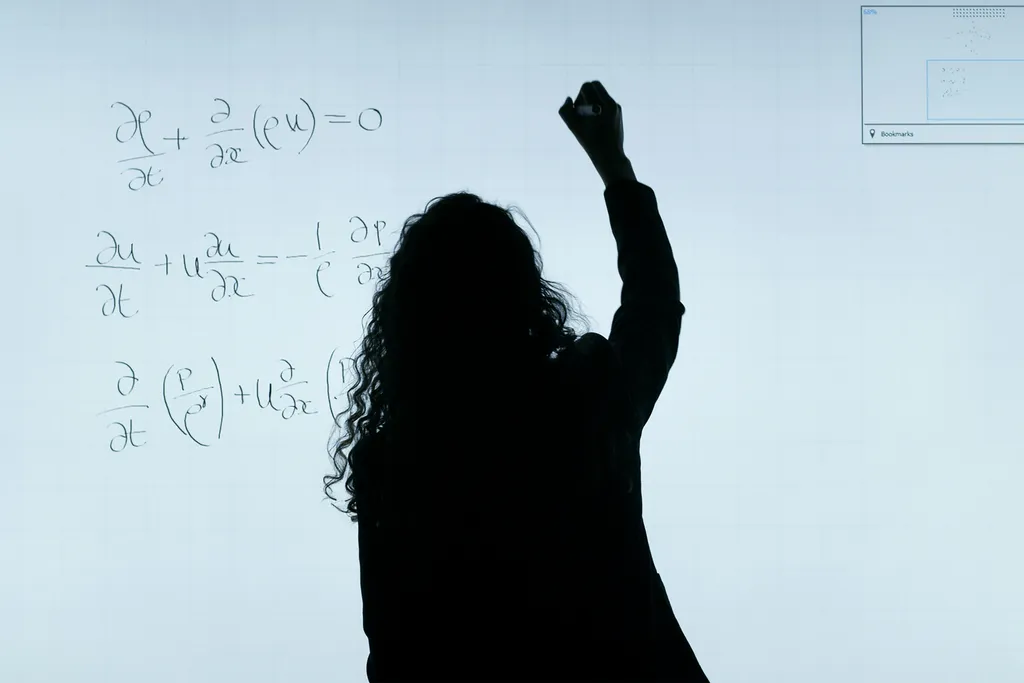
I’ve been taking a logic class in college. I went into it knowing that I would need to unlearn some things, and that some of it would be review material. After all, I debated in high school and was told I learned logical thinking. However, I’ve since learned that basically everything I learned during my formative years was worse than useless. It was lies about reality. I was curious to find out what would align with a college class on logic.
As a child, I was taught that being a conservative Christian was the most reasonable way to be. I was excited to learn how to debate when I was twelve years old. I would spend seven years competing in speech and debate, the whole time thinking I was improving my critical thinking skills. The problem was that I competed in leagues that were exclusively for homeschool, conservative, Christian students.
In my young adulthood, I started questioning what I’d been taught. At the time, I credited my debate skills with giving me the critical thinking capacity I needed to get away. More recently, I’ve realized that this was another layer of giving those debate skills too much credit. After all, if they’d taught us how to think critically, more of us would have left.
If teaching us how to think critically was a tactic that backfired, why did so many of my peers in that world never leave?
The outside world has this idea that people grow out of fundamentalist thinking. People on the outside interact with those of us who escaped. They may not realize how few of us made it out.
It would be a neat trick if teaching us logic helped us think critically, but the fact is more bleak: we weren't taught logic. Those of us who rejected what we were taught found additional information that challenged our beliefs.
I wanted to believe that I was using logical thinking the whole time, but that is illogical thinking already. If I want to believe something, I am more likely to reject logic and facts. Below, I made a list of the key takeaways from my class notes:
What I knew already:
· How to identify some logical fallacies
· Truth and logic are not the same thing
What I realized I’d been taught incorrectly:
· How a logical syllogism works
· How to determine what is logical and valid
· Debate is not an argument
What was new to me:
· Deductive (logic-based) vs. inductive (evidence-based) reasoning
· The difference between reasoning and rhetoric
· What it means for a position to be self-sealing (not testable or falsifiable)
Logic is about the components and how they relate to each other. In this way, it is comparable to math. Logic involves analytical thinking, critical thinking, and strategic thinking. This means being able to break down components and rearrange them to carefully assess and clarify each piece of information. Learning logic is challenging at first, like exercising in a new way. When someone is being logical, they will often demonstrate their analysis so others can follow the thought process.

Rhetoric is the art of persuasion. What is persuasive is not necessarily logical. Persuasion often involves manipulation and deceit. Persuasion is all around us. It’s in advertising, but the psychology of persuasion is so deeply exploited, it goes far beyond the more obvious tactics in ads. Algorithms use our data to consistently show us what will keep us engaged.
In conservative Christian homeschool debate, the people who always won were sickly sweet performers. They looked perfect, acted perfect, and had winning smiles. It was no place for being genuine and honest. It was about masking and acting. We needed to look good and sound good. The competitive environment was an emotional, subjective mess. The competitive speech and debate I knew was really a matter of superiority in numerous other forms. It was rhetoric, political, religious, performative.
The judges were almost always the parents of other competitors at the same tournaments. We were not learning how to decipher what could stand logically. We were learning how to choose our words carefully against fundamentalist doctrine.
It's hard to untangle what was emotionally manipulative and what was the competition itself. I was dealing with my dad being obsessed with his kids and other students being great at debate. He neglected our education because he thought debate was good enough as a core activity, not an extracurricular one.
It has taken so long for me to see more clearly what was going on.
In this series, I’m going to continue exploring different aspects of what I’ve been learning about logic. Part 2 is coming soon.