34 things I’ve learned in 34 years of life
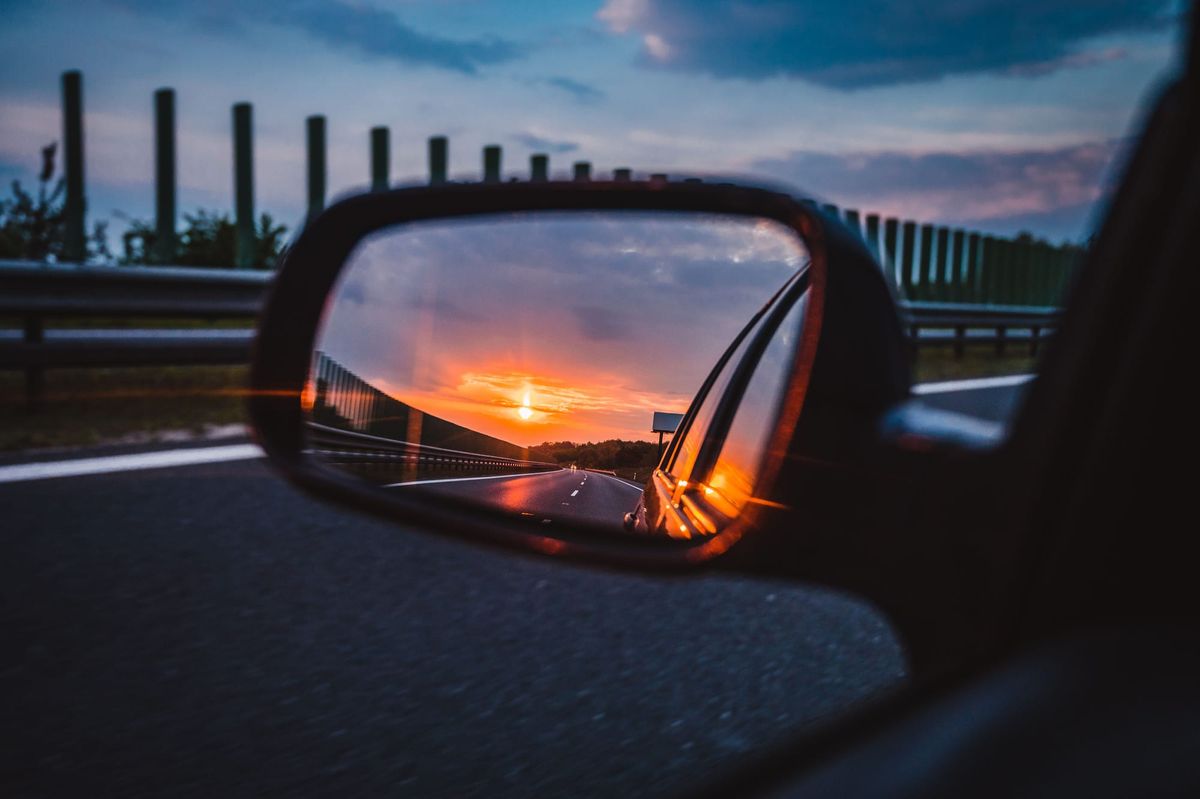
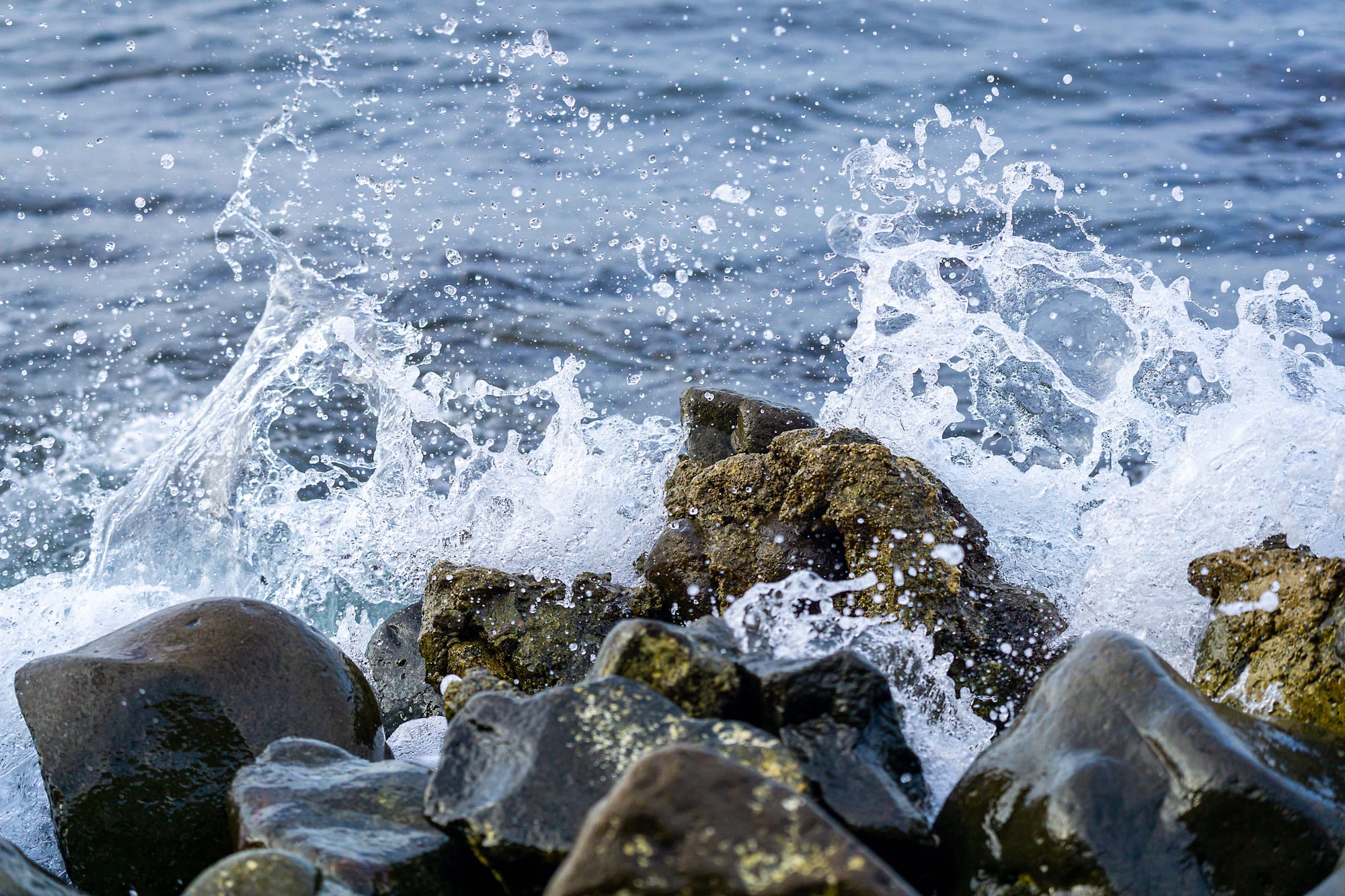
I turn 34 tomorrow. Every year, I am surprised I made it this far, and simultaneously, my expectations have changed. They’ve grown to be more complex and realistic, but they’ve also changed in a deeper way. My expectations have worn away like rocks smoothed out from waves crashing against them. I expect less from life, and my life has improved, too.
For years, I struggled to accept this phenomenon about expectations. I thought it was a way of lowering my standards, just being fine with things as they are, and approving of an unjust world. I refused to do this, partially out of anger and frustration. I couldn’t recognize that this kept my expectations vague. I wanted a perfect world, but I couldn’t describe one.
When I say I expect less of life, I don’t mean that my life has gotten worse. Things have improved a great deal. I mean that I don’t expect overnight changes. I don’t expect things to shake out perfectly anymore.
Anyway, I’ve been working on this list for a while. Here are 34 things I learned in my first 34 years of life. I’m still learning a lot of them.
- Certainty is a myth. The most important decisions must be made with some doubt. Doubt anyone who pretends to know anything with pure certainty.
- Perfection is impossible. Don’t chase it.
- Music matters a lot. Prioritize basking in it.
- Your body will force you to stop if you don’t pace yourself.
- You can’t save the world and you can’t fix everything.
- Life doesn’t have to be amazing and satisfying. You can still learn to appreciate how wild and strange it is to exist as you are, where you are.
- Relationships are nourished and cultivated with compassion, curiosity, and integrity.
- Arguing with people is an ineffective way to change anything.
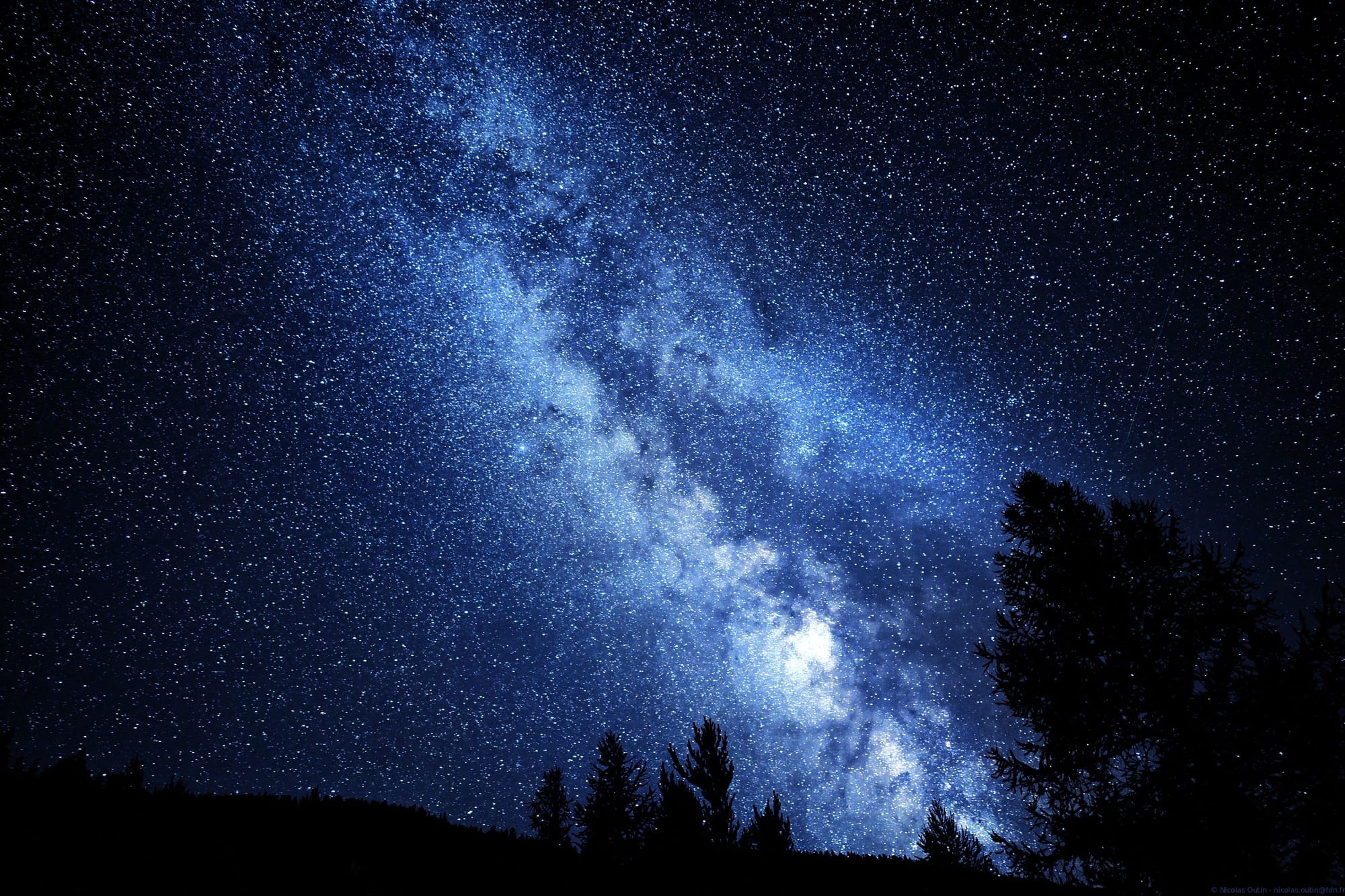
- Everyone and everything is just trying to make the best of things where they’re at. This helps to navigate how you interact with people, pets, plants, and stars.
- Nothing is as simple as it seems at first glance.
- Taking care of yourself is your primary occupation, always. You can’t do anything else if you don’t start there.
- Nobody accomplishes everything they want to before they die. Don’t expect to be the first.
- Don’t finish books that suck to read. They won’t eventually get better. Your time is more important than that.
- You can have compassion without trying to rescue others from the consequences of their own decisions.
- Know your enemy, because it knows you and wants to keep you from seeing it.
- Not everyone has integrity. Pretense is far more popular than being genuine.
- A lot more people would rather assume they know the truth than to seek the complexities of reality.
- Reality is terrifying and nobody knows everything.

- Experts exist. People with terrible agendas spend a lot of time obscuring what the experts say, though.
- The world is terribly unjust. It is nevertheless important to work on making it more just.
- Hope is not about feelings. It is about work. (“Hope is a discipline” – Mariame Kaba)
- Speak your truth. Keeping quiet out of fear will not help you. (“Your silence will not protect you.” -Audre Lorde)
- Not talking politics is a privilege reserved by and for rich, able-bodied, cisgender, heterosexual, white people.
- It’s okay to know you’ve been victimized. Don’t let them accuse you of having a “victim mindset.” That just means they expect you to be silent about injustice.
- Silencing the victims of violence is a form of violence. Silence about violence is another form of violence.
- Dynamic disability means that your limits and needs are inconsistent. Listening to your body is never perfect, but you can get better at it.
- Balance is not holding still. It requires constant adjustments, movements, and practice.
- The “right way” to do things is frequently a lie.
- Most people take the wrongs things too seriously, or not seriously enough.
- It’s okay to take a break. Necessary, even. Things won’t fall apart (more than they would anyway) if you rest.
- Failure is not a weakness, and it is rarely final. Decisions are experiments.
- Feelings don’t belong on a to-do list. Procrastinating on them, and trying to feel them all when you “have time,” isn’t how they work.
- Do as much of what you want as you possibly can.
- Profit is theft. Capitalism is a grift. Dismantling extreme wealth won’t do as much harm as we’re already dealing with.
Inspired by this video.