How Buddhism Helped Me Learn Acceptance

I heard this phrase many times before I understood it: "Acceptance is not approval." I fought against acceptance. I also fought to practice it, knowing it was key to moving forward in my life.
For years, this blog has been a place where I vent my angst. I had a less clear understanding of the world and my place in it. My conceptualization of things was skewed. I won’t claim that I have a perfectly clear understanding now. It is just clearer than it used to be. There is still so much to learn, and so much I will never know. Part of acceptance is acknowledging that fact: I cannot know everything.
My outlook was clouded with depression. Life was bleak, especially compared to my lofty expectations. I wanted life to be better than it is. Paradoxically, my hope for a world with more justice and peace was robbing me of appreciating the life I am in.
I have struggled with accepting life and realized that I don’t have to approve of every aspect of life. I will die with unfinished business. That is life. It is difficult to make a positive case for this life. I have stopped trying. I will never have children because life is too tumultuous to gamble with, and conception is a gamble. None of us asked to be here. Every life exists without its consent.
Appreciation is also not approval. I can appreciate unpleasant things. Many things are unpleasant, from minor discomforts to horrifying facts. When I practice acceptance, I am not saying those things are okay. I am not giving them a stamp of approval. I am not being passive toward those things. I am not admitting to powerlessness. I am acknowledging how things are. I cannot truly dismantle what I refuse to acknowledge as fact.

The opposite of acceptance is denial. I have spent much of my life trying to imagine a better world than the one I am in. To be fair, I have not stopped doing that. The shift is in my expectations. I welcome change for the better, and I will do what I can to help it along. I do not pretend my imaginary future is inevitable because I wish for it.
One of my friends read a book aloud and sent me the audio recordings. One of the chapters in this book resonates so deeply, I’ve listened to it several times. The book is called When Things Fall Apart by Pema Chodron. Chapter 7 is called “Hopelessness and Death.” She writes that we must let go of the hope that things will eventually settle. Life is unpredictable, and change is constant. Hopelessness doesn’t mean giving up. It means letting go of fantasies that things will eventually work out. Life doesn’t offer happily ever after, a point of stability with total safety.
I would much prefer safety. Wouldn’t we all?
It would be easier to accept life if the ground would stop shifting beneath our feet.
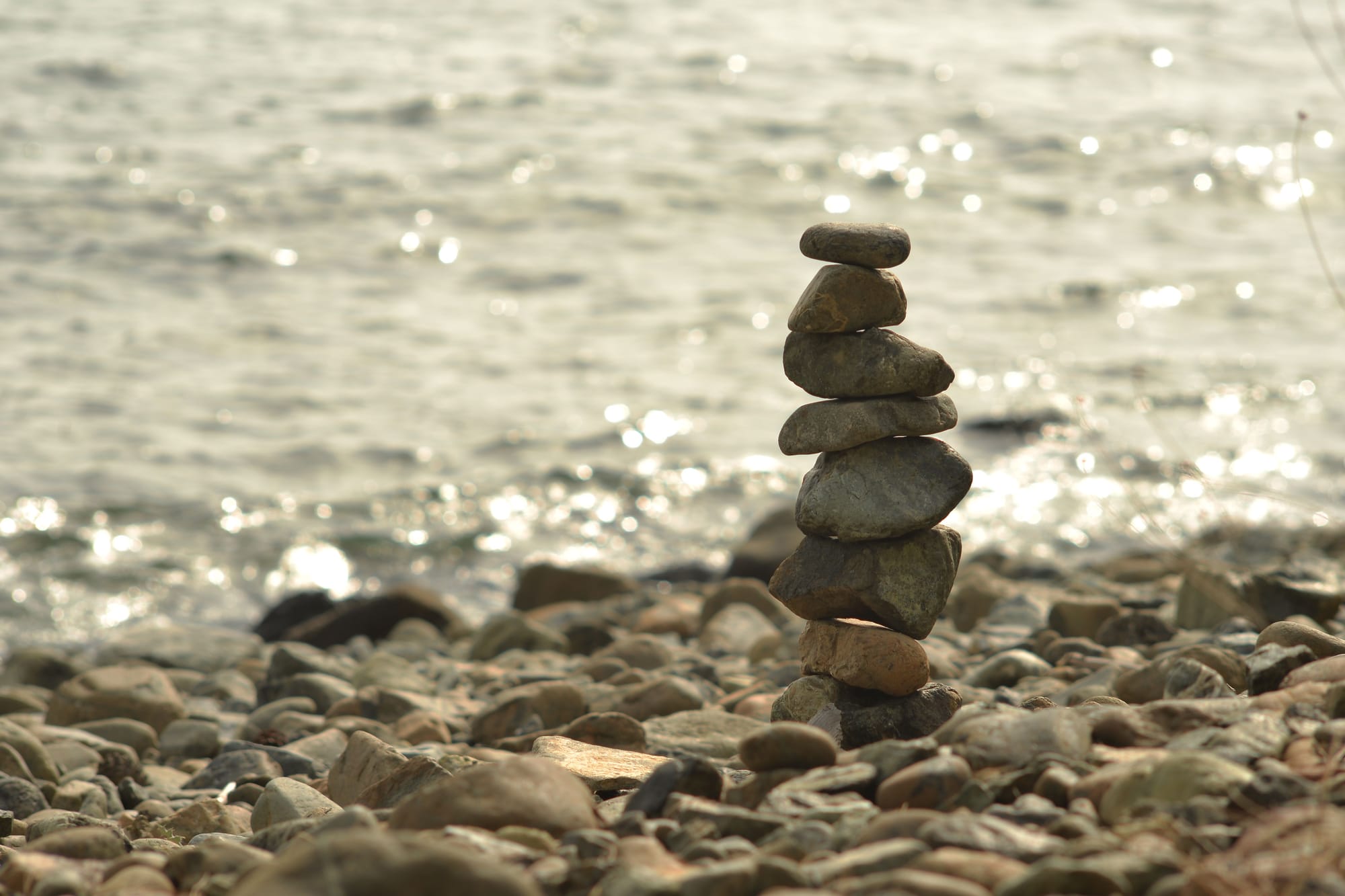
Balance is not easy, steady. You don’t balance by holding still. You balance by constantly adjusting your center of gravity. It takes practice.
These things were words in my mind before I could truly understand them. It didn’t work to just memorize the phrases. I needed physical therapy.
For the past year and a half, I’ve been improving physically, thanks to a dedicated pain management specialist team. I had physical therapy before, but not with additional intervention. I was not improving with physical therapy alone. Last June, I had a steroid injection in my spine. After that, I gained more strength. After my second injection in December, I didn’t need my rollator anymore. I was able to get around with just wearing a back brace.
Physical therapy involved increasing difficulty, and I gained strength. I started gaining muscle weight. I could stand for longer. My pain is not totally gone, but it has significantly reduced. I just had another injection in mid-June of this year. I’m still attending physical therapy three times a week. Some days, I don’t have as much energy, or my pain is worse. My physical therapist adjusts my exercises accordingly. I’m making significant progress.

As I count my repetitions, I put these realizations into physical practice. It might be difficult to keep going, but I can push through the pain. I’ve learned to differentiate “good” pain from “bad” pain. Pushing through the “bad” pain can make things worse. By contrast, “good” pain can be the normal burning sensation I feel when my muscles are working hard.
I practice balance. I reassure myself that I don’t have to perfectly hold still. Once, my physical therapist told me that if I wasn’t struggling a bit to keep my balance, the exercise wasn’t challenging enough. If I could do it perfectly without struggle, it was time to switch to something more difficult, or to increase the weight. Balance takes effort and attention.
Buddhism has helped me to cope physically, mentally, and emotionally. I breathe deeply while I exercise, and while I hold still to meditate. Acceptance is not approval, and it takes attention and effort, just like balancing my body. It is active, not passive.
I am more involved in my life and less distracted by my fantasies. My expectations have aligned more closely with reality. I do not give this unjust world my stamp of approval, but I have stopped expecting myself to have superhuman abilities to change it overnight. This world is so much bigger than me.
I don’t have to fix everything. I can only try to keep my balance.